Kayode Lab · James Madison University

Understanding vector-borne diseases through diagnostics, transmission, and genomics.

From pathogen detection to patterns of transmission.

Discover our research

A pathogen’s genome tells one part of the story. The place and people around it tell another.

Our research brings these perspectives together. We study malaria and other vector-borne infections across laboratory and field settings, asking how they spread, change, and sometimes escape detection. The goal is evidence that helps surveillance reflect what is happening on the ground.

What we investigate

01

Malaria detection

Malaria can go undetected when parasite levels are low or when parasites lack the genes targeted by common rapid tests. We study these diagnostic gaps and compare testing approaches to improve how infections are identified in patients and communities.
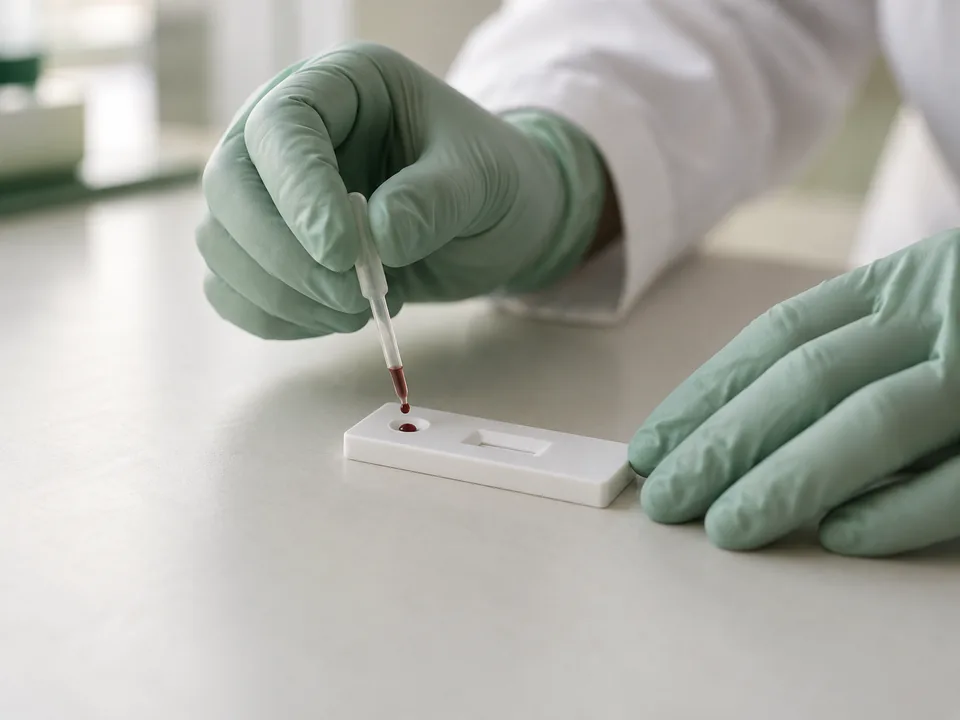
Illustrative image of a malaria rapid diagnostic test in a laboratory
02

Genomic surveillance

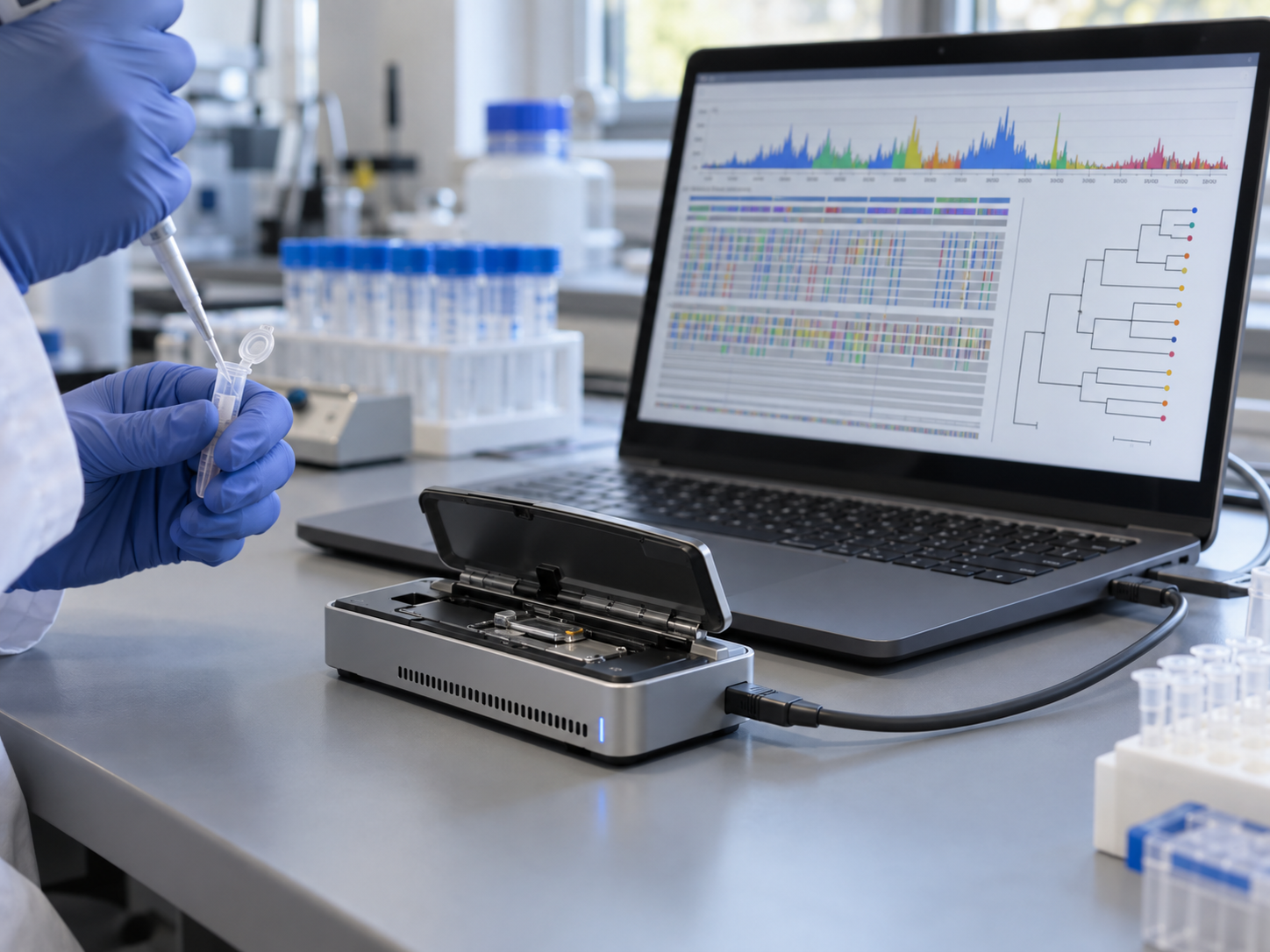
We use molecular and sequencing tools to examine malaria parasite diversity, genes linked to drug resistance, and changes that can affect diagnosis. These data help reveal how parasite populations differ across places and change over time.

Illustrative image of a portable DNA sequencer connected to a laptop displaying sequence data and a phylogenetic tree
03

Febrile illness

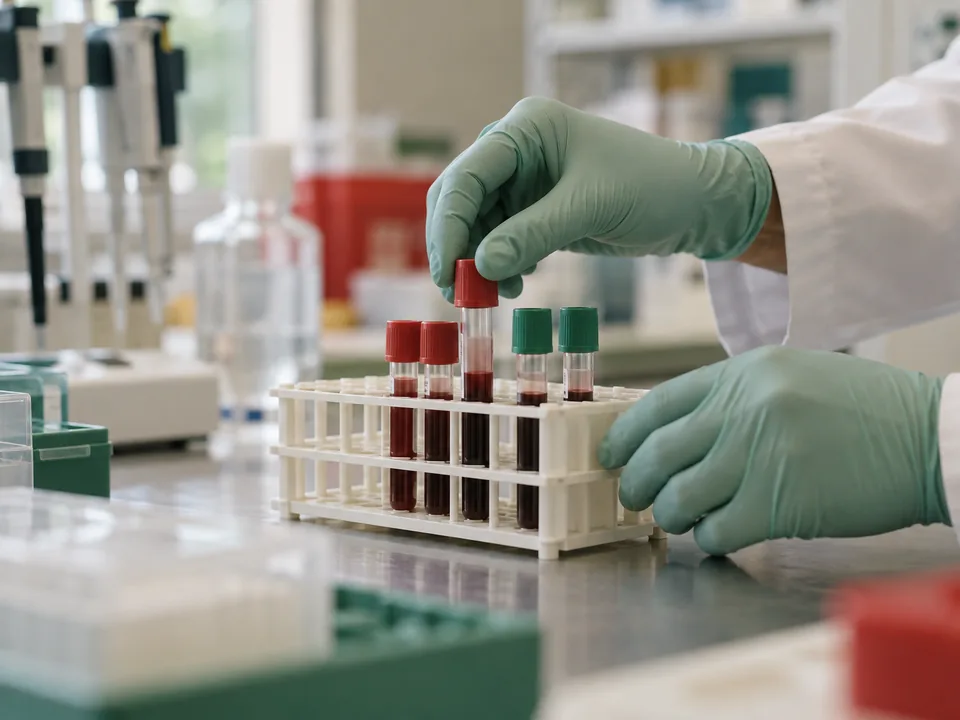
Fever can have many causes, and symptoms alone rarely reveal which pathogen is responsible. We combine diagnostic testing with patient and exposure data to investigate malaria, mosquito-borne viruses, and other infections. Next generation sequencing and metagenomics help us look more broadly when routine tests leave a fever unexplained.

Illustrative image of blood samples in a laboratory
04

Transmission ecology

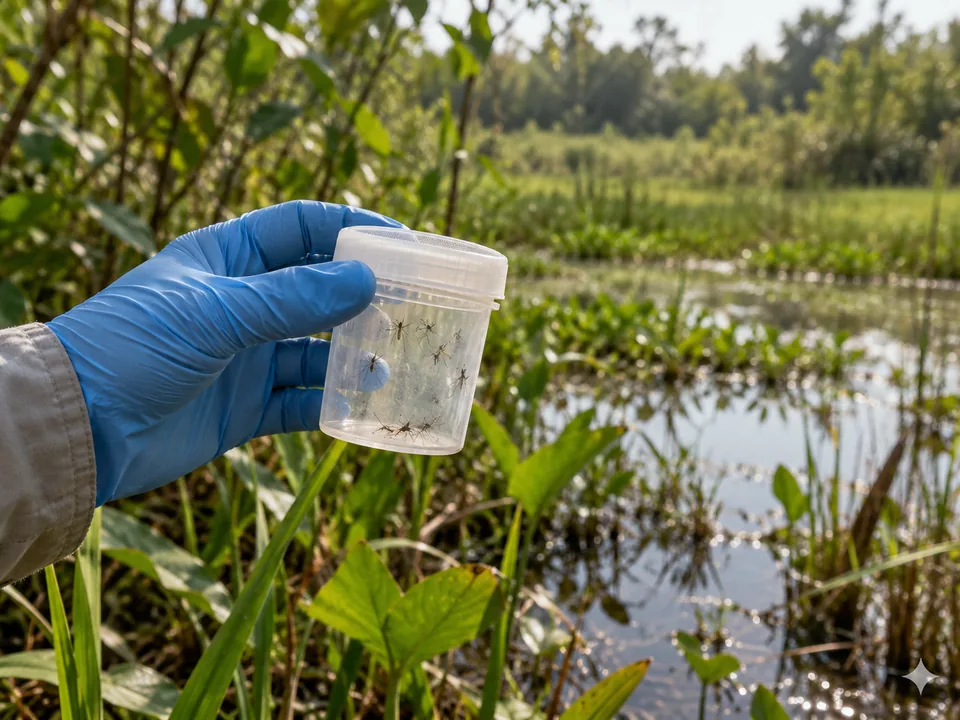
Where and when people become infected depends on mosquito exposure, human movement, and local environments. We bring together field observations, epidemiology, serology, environmental data, and molecular evidence to understand how these factors shape transmission across communities and seasons.

Illustrative image of a mosquito collection container beside wetland vegetation

Meet the Lab

Kayode Lab is led by Dr. Tolulope A. Kayode.

Dr. Tolulope A. Kayode

Tolulope A. Kayode, PhD

Principal Investigator
Assistant Professor of Biology
James Madison University

JMU faculty profile

Latest from the lab

Lab milestone

Kayode Lab begins at James Madison University

Dr. Tolulope A. Kayode has launched Kayode Lab in JMU’s Department of Biology. The lab brings together epidemiology, diagnostics, and genomics to study vector-borne disease transmission.

Recent and representative work

All publications on Google Scholar
Open Forum Infectious DiseasesArticle · 2026High-Altitude Plasmodium falciparum and Plasmodium vivax Reservoirs in Ethiopia Are Not Linked to Recent Traveldoi: 10.1093/ofid/ofag247Open Forum Infectious Diseases Read paper ↗ PLOS Neglected Tropical DiseasesResearch article · 2025First field evaluation of novel LDH- and HRP2-based rapid tests for Plasmodium vivax and Plasmodium falciparum malaria diagnosisdoi: 10.1371/journal.pntd.0013307PLOS NTD Read paper ↗ Malaria JournalResearch · 2024Comparison of three rapid diagnostic tests for Plasmodium falciparum diagnosis in Ghanadoi: 10.1186/s12936-024-05073-zMalaria Journal Read paper ↗ Nature CommunicationsArticle · 2023Emergence and spread of two SARS-CoV-2 variants of interest in Nigeriadoi: 10.1038/s41467-023-36449-5Nature Communications Read paper ↗ PLOS ONEResearch article · 2022Molecular profiling of the artemisinin resistance Kelch 13 gene in Plasmodium falciparum from Nigeriadoi: 10.1371/journal.pone.0264548PLOS ONE Read paper ↗ ScienceResearch article · 2021A year of genomic surveillance reveals how the SARS-CoV-2 pandemic unfolded in Africadoi: 10.1126/science.abj4336Science Read paper ↗ Scientific ReportsArticle · 2021Polymorphisms in Plasmodium falciparum dihydropteroate synthetase and dihydrofolate reductase genes in Nigerian children with uncomplicated malaria using high-resolution melting techniquedoi: 10.1038/s41598-020-80017-6Scientific Reports Read paper ↗ International Journal for ParasitologyArticle · 2021Polymorphisms in Plasmodium falciparum chloroquine resistance transporter (Pfcrt) and multidrug-resistant gene 1 (Pfmdr-1) in Nigerian children 10 years post-adoption of artemisinin-based combination treatmentsdoi: 10.1016/j.ijpara.2020.10.001International Journal for Parasitology Read paper ↗ The New England Journal of MedicineOriginal article · 2018Genomic Analysis of Lassa Virus during an Increase in Cases in Nigeria in 2018doi: 10.1056/NEJMoa1804498NEJM Read paper ↗

Explore opportunities with Kayode Lab.

For students

JMU students interested in infectious disease, molecular biology, genomics, bioinformatics, or global health are encouraged to get in touch. Tell us about the questions that interest you, the skills you hope to develop, and what you would like to learn through research.

For collaborators

Researchers, clinicians, and public health teams working on vector-borne disease are welcome to discuss collaborations in field studies, diagnostics, and genomic surveillance.

Contact Dr. Kayode